
Blog › Buying
Tips for Buying a Fixer Upper
HGTV makes it look straightforward. Buy something cheap, knock down a wall, install some shiplap, sell it for a profit. The reality is more complicated — but fixer uppers can genuinely be good investments when you go in with clear eyes and honest numbers.
Before you make an offer on that dated colonial in Towson or that bank-owned rancher in Cockeysville, here's what to think through first.
Know what kind of fixer upper you're actually looking at
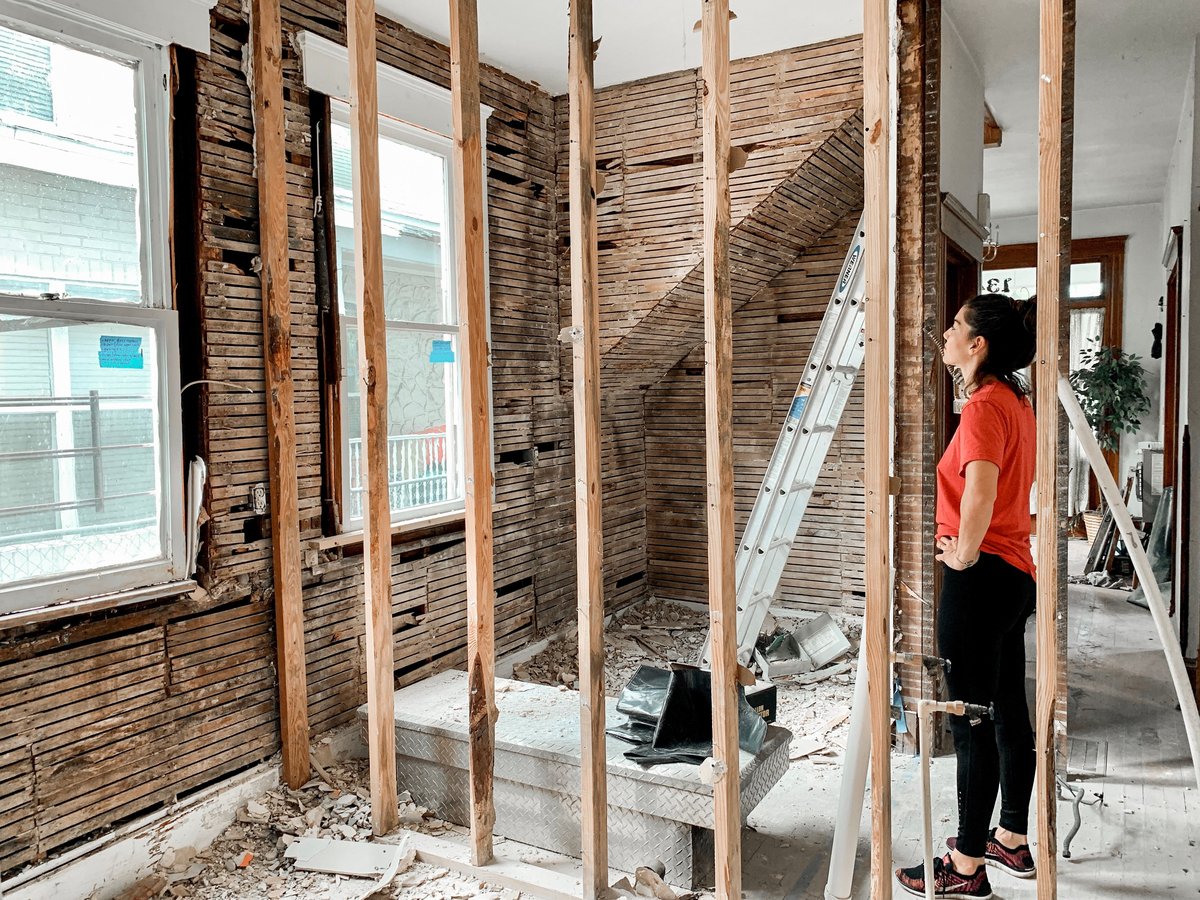
There's a meaningful difference between a cosmetic fixer and a structural one. Cosmetic means paint, carpet, fixtures, countertops — work that's visible, manageable, and reasonably predictable in cost. Structural means electrical problems, plumbing issues, foundation concerns, slab leaks, roof replacement. The second category can turn a bargain into a money pit very quickly, and the purchase price discount rarely covers the full cost of what's wrong.
My design background helps here — I can walk through a property and usually tell you what's cosmetic and what isn't. But even I rely on a professional inspector to confirm what's behind the walls.
Get a thorough inspection — no exceptions
A fixer upper requires a more rigorous inspection than a move-in-ready home, not less. This is not the place to waive the inspection contingency to win a bidding war. Hire an experienced inspector, walk through with them, and ask questions. If the property has a basement, get it checked for water intrusion. If it's older, get the electrical panel looked at specifically. If there are any signs of foundation issues, bring in a specialist.
The inspection tells you what you're actually buying. The purchase price is just what someone is asking for it.
Do your research on the property and the neighborhood
Don't assume that because a property is cheap, your plans for it are feasible. Maryland counties have zoning regulations, historic district rules, and local ordinances that may limit what you can do with a property. If you're buying to add square footage, convert a space, or build an addition, check with the county before you close — not after.
The neighborhood matters as much as the property. A beautifully renovated house in a neighborhood where comparable sales don't support the price you'll need to recoup your investment is a losing trade. Run the numbers on what renovated homes in that specific area are actually selling for before you commit.
Be honest about your capacity
Some buyers can manage a renovation themselves. Most overestimate how much they can handle — both in terms of skill and time. There's nothing wrong with hiring a general contractor to manage the work. What matters is that the cost of doing so is factored into your offer price and your budget from the beginning, not discovered afterward.
A fixer upper is only a deal if the purchase price plus renovation cost leaves you with a home worth more than you spent, or a place to live that you genuinely couldn't have afforded move-in ready. Work those numbers before you fall in love with the potential.
The upside is real — when it works
Done right, a fixer upper can be one of the best moves a buyer makes. You get into a neighborhood at a lower price point, build equity through the renovation, and end up with a home that's exactly what you wanted rather than what someone else decided. In Baltimore County's older housing stock, there are genuinely good opportunities for buyers who know what they're doing and have the right team around them.
Considering a fixer upper? Let's talk through the numbers before you make an offer.
Talk to Elina